





After the earth's crust uplifts, erosion processes occur, developing into three age stages.
Earth's Crustal Changes According to William Morris Davis' 'Cycle of Erosion' Theory
Following the uplift of the Earth's crust, erosion ensues, characterized by the incision of water. This developmental process is divided into three stages of age:
During the early stages of its age, rivers erode the uplifted Earth's crust, forming deep valleys.
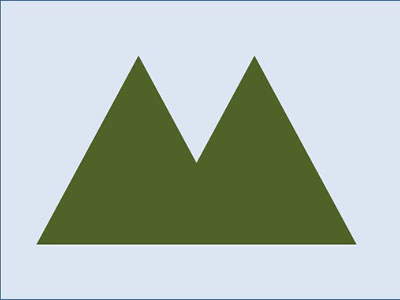
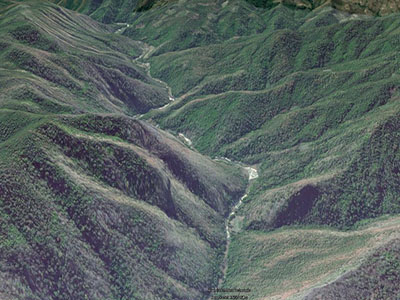
In the peak growth phase, the valleys have undergone extensive erosion and widening.

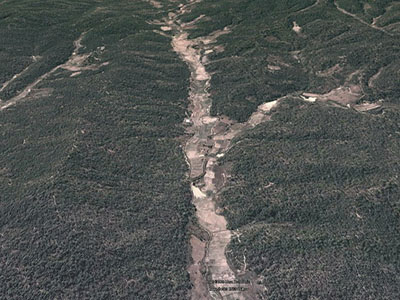
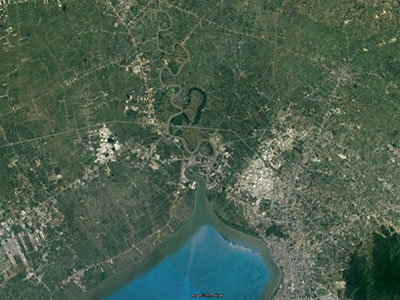
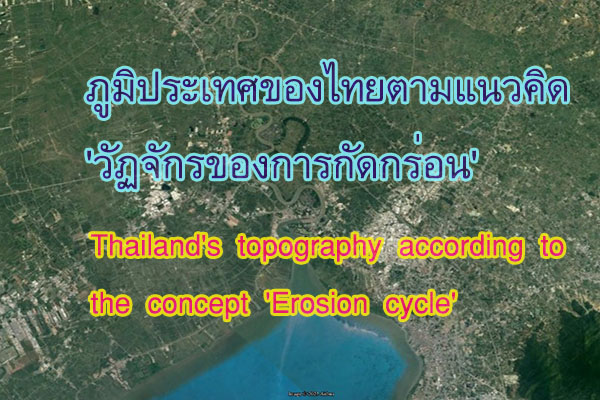
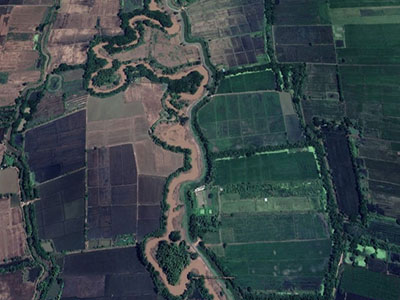
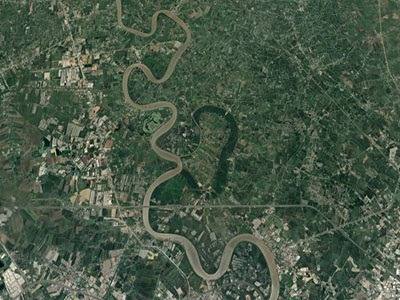
In the later stages of its life, the mountain range transforms into a wide, expansive plain. The lower part consists of soft rock, and lateral water erosion carves pathways on the sides. The curved waterway creates shortcuts, connecting bodies of water. The curved water will transform into an oxbow lake.
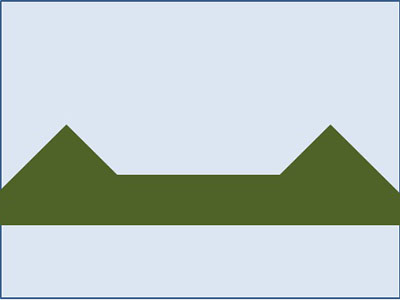
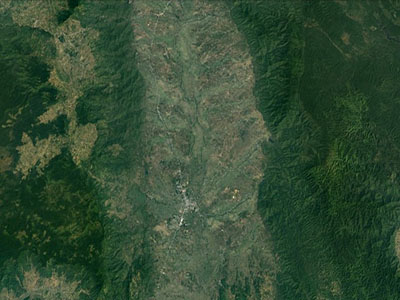
At the end of the watercourse, as it flows into the sea, sedimentation occurs where carried sediments settle and accumulate. This triangular-shaped sediment deposit at the river mouth is known as a delta.